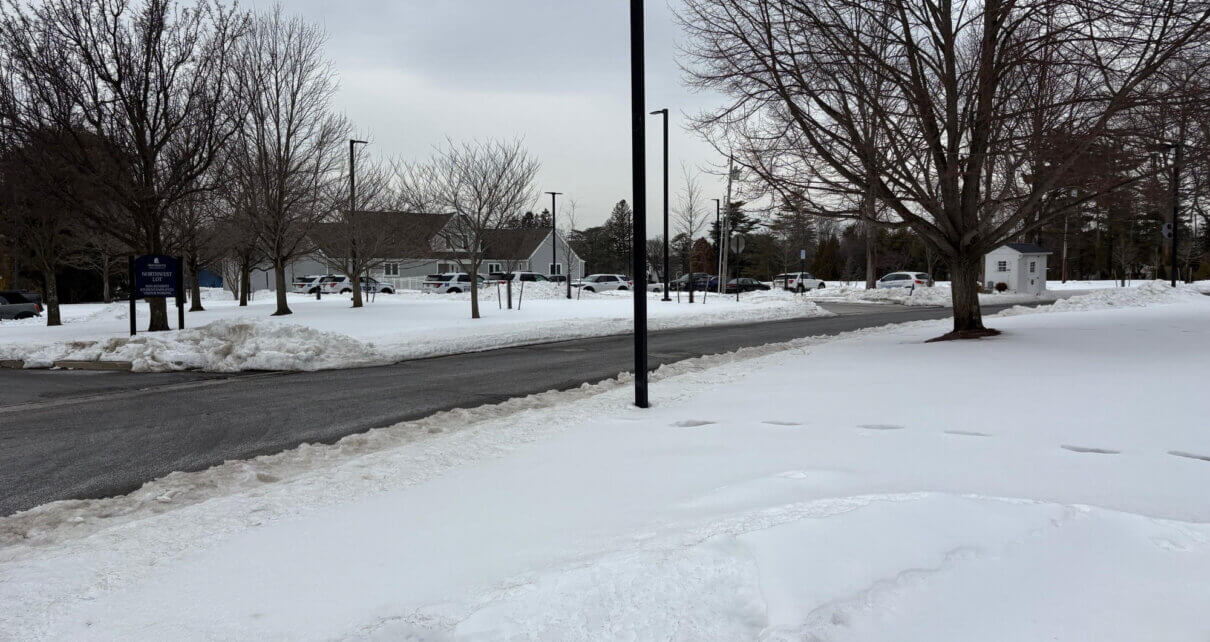
At some point in your time at Monmouth, leaving the University at peak hours of the day by car can be a slow drag, especially after your last class of the day and you’re excited to go home. For many students including faculty, this has become a customary part of the daily routine on campus. While parking accessibility has repeatedly received the most attention, in my opinion the much larger issue has become the vehicle traffic around entrances and exits—particularly along Cedar Avenue, one of the main streets connecting Monmouth to the larger Long Branch community.
On most days during the week, most, if not all traffic flows toward Cedar Avenue, which is considered to be the main entrance and exit of Monmouth’s incoming and outgoing traffic. When a lot of students and faculty are leaving at once — mainly after afternoon classes, sports practices, or events — traffic begins to pile up quickly. What should be a quick drive turns into a long, drawn-out process of inching forward and wasting time looking at your phone.
As the university has continued to grow, this current traffic structure has become less efficient. Expanded enrollment, construction of new academic facilities, and extra campus events have brought additional vehicles onto campus, causing more headaches for students already struggling to find parking.
There are also, of course, safety concerns that are connected to this issue. When cars are clustered on a minor number of exits, drivers most likely become impatient or distracted. Students crossing parking lots or roadways are put at greater risk, especially during winter months when it becomes dark earlier, and minor accidents become more likely. In emergency situations, heavy traffic near campus exits could also slow reaction times for campus safety or first responders.
This by no means suggests that Monmouth should turn the campus into a highway of roads or parking lots. It’s more about being flexible and realistic for campus efficiency. Increasing additional exit options during peak hours and altering the flow of traffic could help extend traffic out instead of forcing everyone toward the same couple of exits. Any small change could make a noticeable difference to the students who only want the best campus experience they can receive for the amount they pay to attend.
As a commuter student, we are especially affected by the current structure. We all rely on our cars to balance school with work, family, or other obligations and responsibilities. Long delays just to leave campus can and has caused preventable stress and annoyances to already busy schedules. Expanding vehicle access points would demonstrate that commuter needs are being reflected upon as part of campus plans for improvement.
Monmouth has recently invested in improving the campus over the years. Updating how student and faculty commuters can enter and exit—particularly along Cedar Avenue—should be part of that continuing improvement of the University. Focusing on traffic congestion would improve student safety, reduce frustration, and make everyday campus life amongst students and faculty more efficient for the entire community.