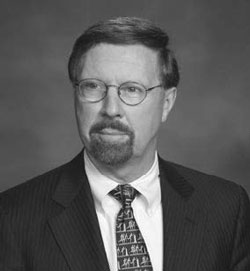
With constant change happening in college athletics, the university has announced the hire of Patrick Elliot as Senior Associate Athletic Director for Annual Giving, NIL, and Revenue Generation. The university aims to connect donors, alumni, and fans in pursuit of ensuring that every Hawk has the resources to thrive on and off the field. Annual giving is a program that secures donations from alumni, parents, and community members to help meet needs like scholarships, academic programs, and facility enhancements. Student athletes may receive compensation from third parties for use of their Name, Image, and Likeness (NIL). They can sign deals involving social media posting, and product or service promotion. NIL is accessible across all three NCAA divisions.
Jen Sansevero, Director of Athletics at Monmouth University, said, “The Senior Associate Athletic Director for Annual Giving, NIL and Revenue Generation will play a vital role within our Athletic Department and university. Through donor engagement, fundraising efforts, alumni relations, and community outreach, this individual will work to grow our Athletic Department’s revenues as we continue to both provide a transformative student-athlete experience, and remain athletically competitive during the post-House settlement era.” The House Settlement, which was approved on June 6, 2025, allows Division I college athletes to be compensated directly from universities and establishes a revenue sharing model for them.
Sansevero added, “The main impact, beyond driving revenue, is to turn ideas and data-driven goals into tangible, positive outcomes.”
Ella Farrelly, senior forward on the women’s basketball team, said, “I think the new NIL and revenue sharing changes are a big step forward for college athletics. For years, student-athletes have played a role in generating value for their schools so this new position acknowledges students’ contribution.” She added, “It gives athletes the opportunity to learn about business, branding, and financial management, while also helping many support themselves or their families. It opens new doors for student-athletes to grow both personally and professionally. At the same time, it provides institutions with a valuable tool to strengthen their recruitment process and attract top talent.”
High major and Power 5 schools are NCAA Division I universities that compete in the nation’s highest revenue conferences. Of the 361 Division I programs, approximately 150-160 of them are considered low majors. Monmouth competes at the low level which typically generates and receives less funding than the mid and high majors.
King Rice, Head Coach of the men’s basketball team said, “The high major schools, the power conferences have $22 million to share, that’s Power 5 schools, that’s not us.” Rice added, “When you’re a Power 5, there’s millions of dollars that you can get all over the place. When you’re a small school like Monmouth [fundraising is more difficult]?”
Student Government Association President, Brendan Sheehan said, “I’d certainly hear from a lot of students worried about the amount of money they’re putting into Monmouth University.
Just as costs are going up everywhere. They’re going up here too. They may not see how it benefits them to have a new position like this.”
Associate Professor of Political Science and Sociology, Jen McGovern, Ph.D. said, “I would understand their frustration. It’s very difficult to feel like a lot of money is going to other things that you don’t participate in.” She added, “The more we have an active campus community that’s engaged in many different ways, the better that community is for everybody. So, if we have an active athletics program, non-student athletes could also attend those games and benefit from events.”
Coleon Williams, defensive back on the football team said, “I definitely think that our football guys will benefit from this especially because everyone wants new things and to be appreciated. As a college student athlete, it’s really hard to work, especially for the guys (football players).” He explained how a lot of athletes want to go into the transfer portal to make more money. “I really think that if we had more resources, equipment, and better things, that a lot of people would stay,” Williams said.
Sansevero explained how this role will help advance and support core operations including equipment and facility upgrades and scholarships. She said, “This addition will affect all our programs, from football and men’s and women’s basketball, to our Olympic sports. When we win in the game of fundraising, everyone wins—it heightens our academic and athletic profile as an institution, and allows for greater opportunities for travel, competition, and competitive excellence.”
Matthew Harmon, Senior Specialist Professor of Communication, and an award winning sports announcer, believes that this position will be beneficial. He said, “In order for any school to be part of what is going on today in college athletics, especially mid major schools, I think a position like this makes sense because student athletes want that connection to NIL. The more a school can get in front of this topic, the better it would be for any school, including Monmouth.”
Sansevero said, “This position will add a seasoned administrator to a group of already talented professionals, and it presents a tremendous opportunity. My expectation is for the candidate in this position to continue to grow as a professional, elevate those around them, and strive to take Monmouth Athletics to new heights.”